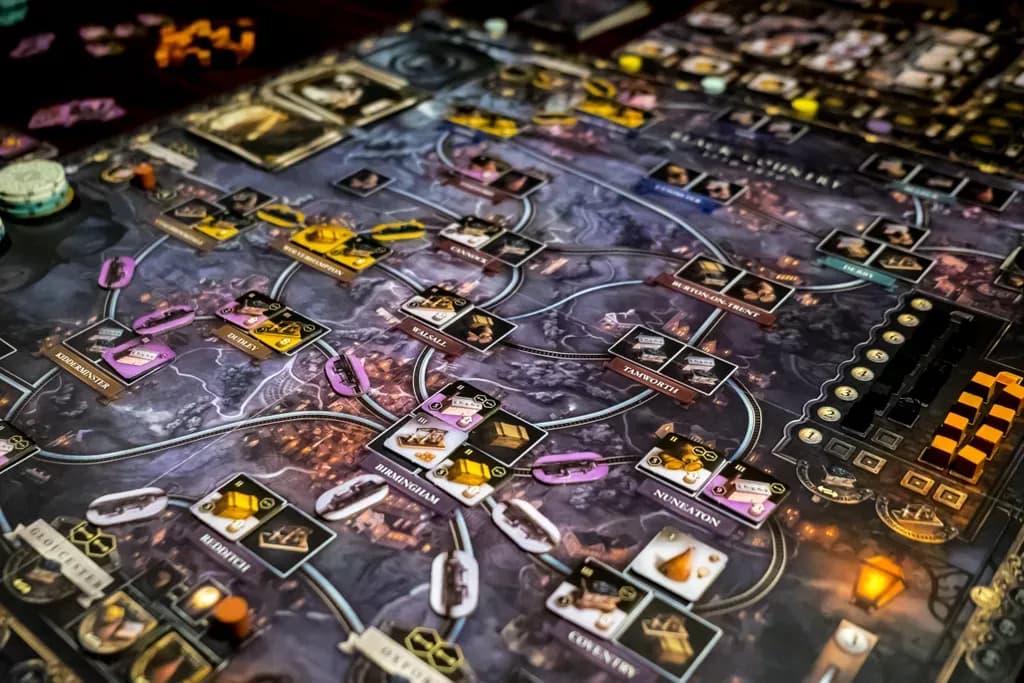
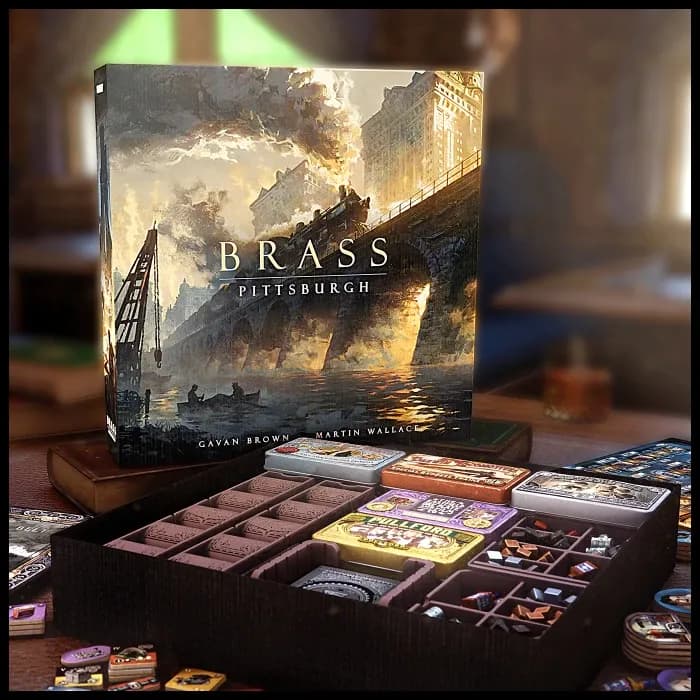
Brass: Birmingham is the number one ranked game on BoardGameGeek. Brass: Pittsburgh raised over nine million dollars on Gamefound. Dice Throne became one of the most successful original franchises of the last decade.
None of it was inevitable — and the person behind it never planned to be a publisher at all.
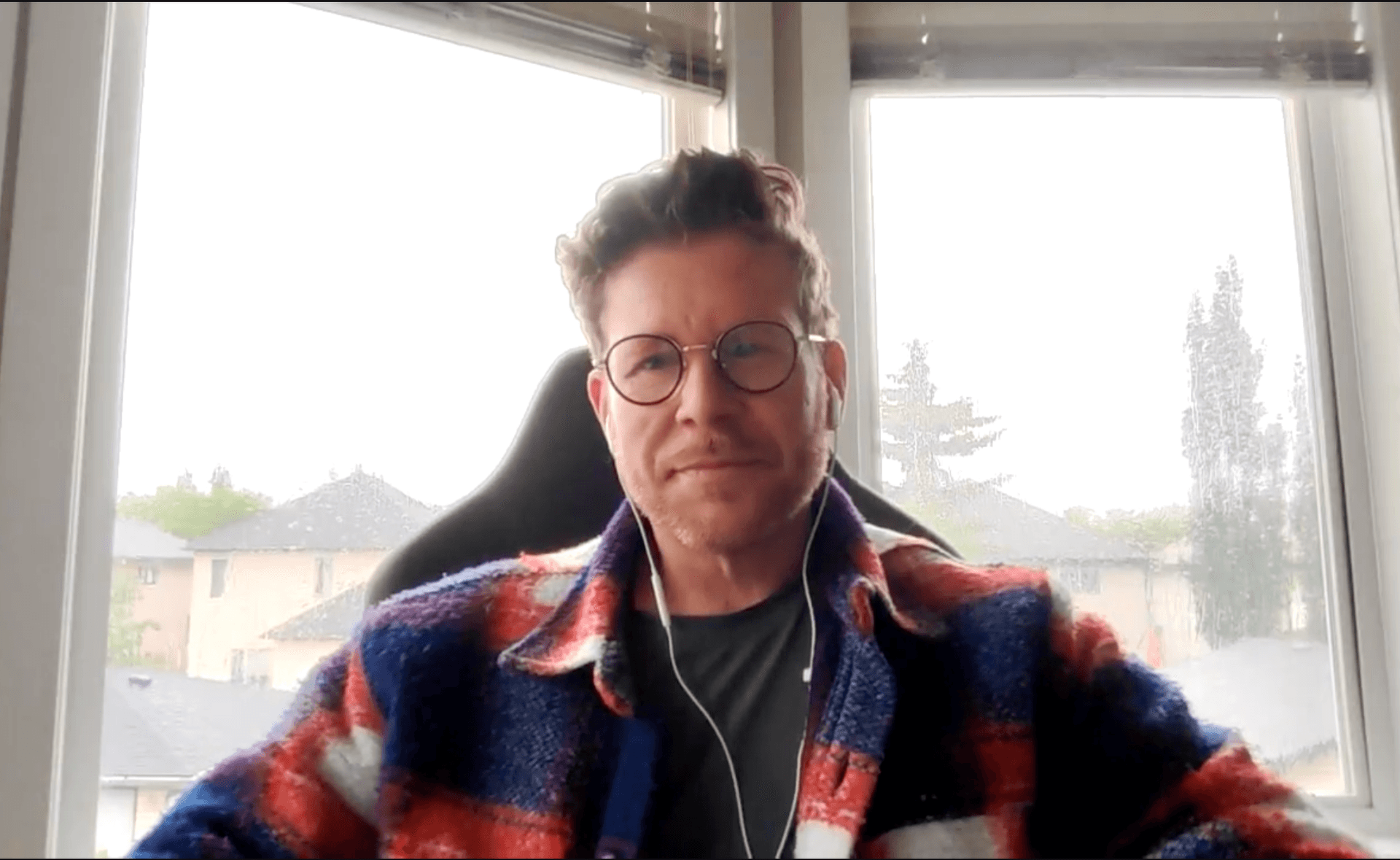
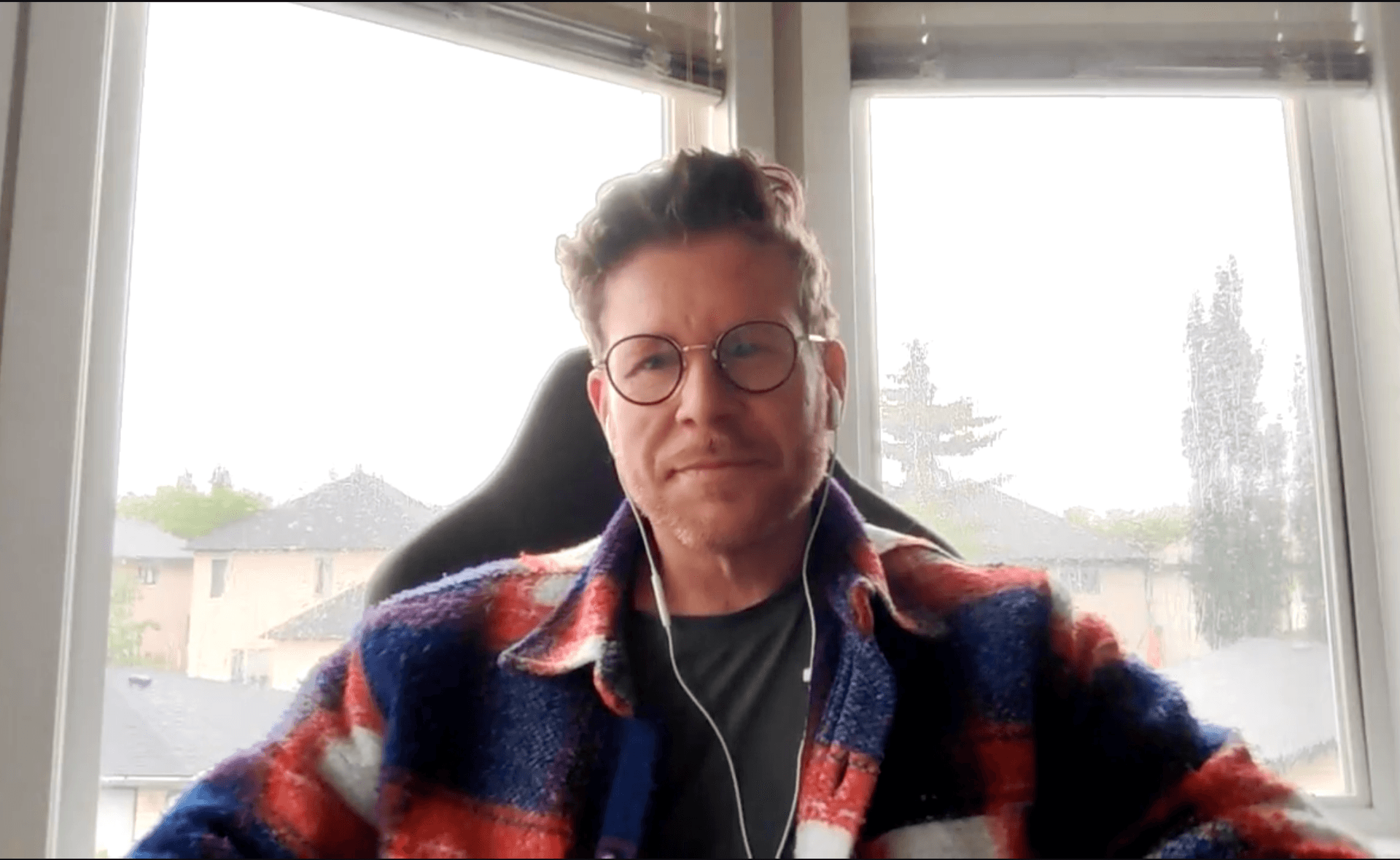
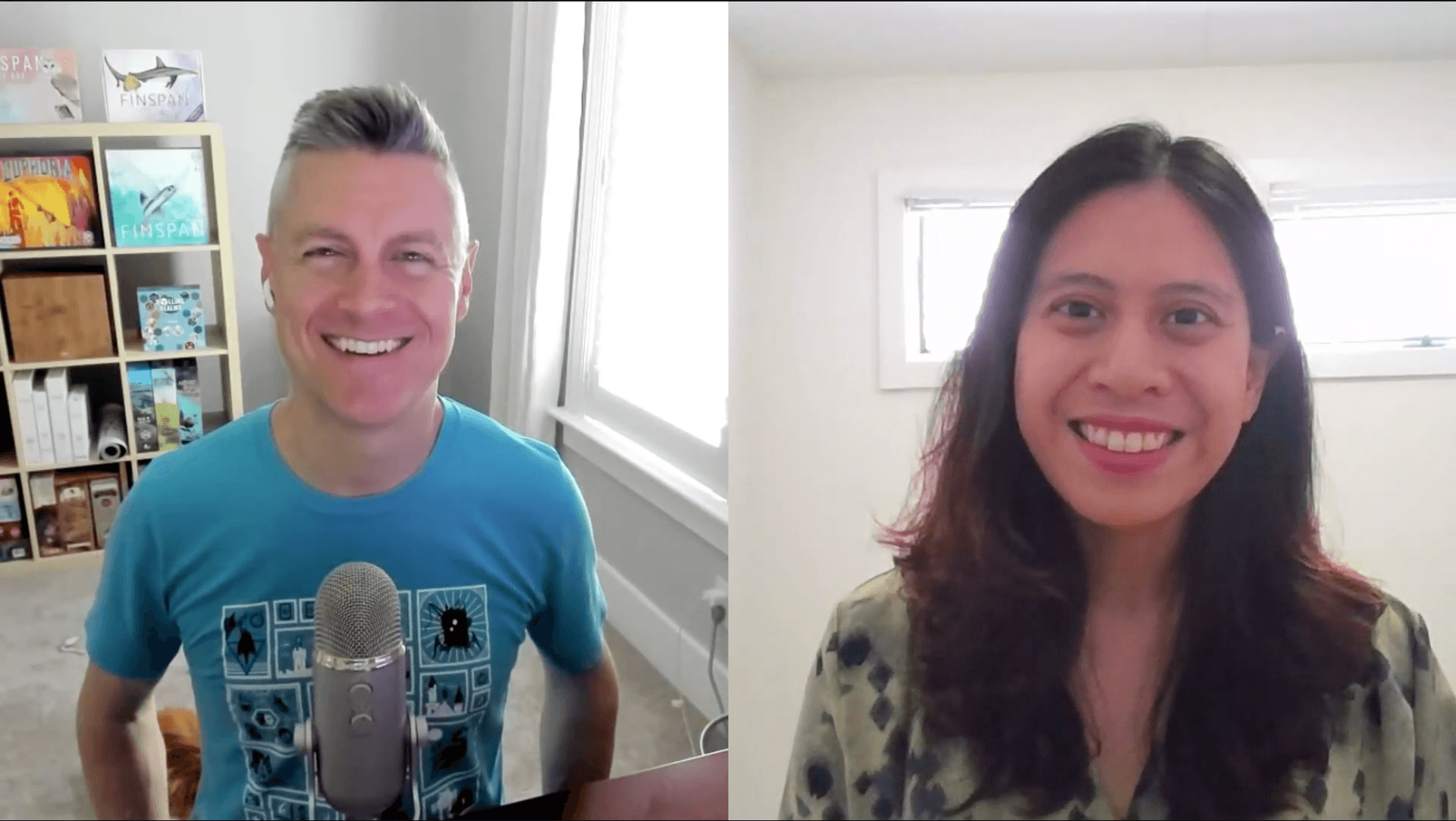
In the newest episode of Your Turn — Everjoy Global's podcast for board game creators — host Ionah Nguyen speaks with Gavan Brown CEO of Roxley Games, about design, risk, materials, and what it actually takes to build a company that lasts.
He wanted to make video games
Through his twenties, Gavan wanted to be a video game designer. He eventually realised that making video games in 2005 or 2006 meant being part of a large team.
Then he played Carcassonne at his brother-in-law's house.
He had played plenty of board games as a child, but never one like that — competitive, yet built around collaboratively constructing a city together, with no player elimination. It did things video games simply didn't do. Immediately after that game, he knew he wanted to make these for the rest of his life.
The appeal was independence. Board game design, he says, is closer to being an author: you have full control over the design, and you can develop an entire game yourself.
The skills came first, the games came later
Gavan has been a graphic designer since he was sixteen. He has designed hundreds of logos and describes himself as obsessive about presentation and branding. He is also a trained programmer, a Django developer for years, comfortable across Linux systems, Flash animation, web development, and e-commerce builds.
He calls his career something like a fluke: a perfect storm of upbringing and timing. Those skills, plus significant experience in the print industry, translated almost perfectly into game publishing.
Which matters, because publishing was never the plan. He wanted to be a game designer. But he recognised that unless you have a string of hits, supporting a family on design alone is very hard. Publishing was his natural calling; design remained his ambition.
The advantage is structural. Between creative direction, graphic design and game design, most companies need a bridge between disciplines. Gavan doesn't need one, he is both sides, which removes an entire layer of miscommunication.
Today he focuses on creative direction, game development, game design and product design, supported by a full team.
Before Brass: hemophilia, police training, and boxing
Gavan's first produced games weren't commercial releases at all. Working with his friend Matt and his sister, he designed two "serious games", one commissioned by Bayer Pharmaceuticals for families with children who have hemophilia, and another for the Calgary Police Service. Both were manufactured in China through Panda Games, back when Panda was just starting out. The approach was to take modern euro design aesthetics and apply them to games a family could genuinely play.
His first true published design was Jab: Realtime Boxing, released by Tasty Minstrel Games. It carries a modest rating on BoardGameGeek, and Gavan is candid about why, but he's also clear that it's one of the games he's proudest of. It's highly skill-based, deeply tactical, and faithful to real boxing, with clinching, combos, counter-punches and stamina management all resolving in real time.
The lesson was one only the market can teach. Coming from video games, he assumed real-time was an underused mechanism board games should embrace. It turned out most board gamers like having turns, and real time can induce panic. He had treated that panic as a feature. Most players didn't want to feel it.
How he convinced Martin Wallace
When a contract dispute over Brass became public on BoardGameGeek, Gavan sent Martin Wallace a message. He had played over five hundred games of Brass. It was his favourite game of all time. He wanted to modernise it and bring it to Kickstarter.
Wallace replied that the rights were already promised to someone else.
Gavan pushed back, confidently, not desperately, assuring him that Roxley would make the best version of that game the world could see from anybody, and that it would become his mission in life.
Wallace's next reply: persistence pays off.
Weeks later, the dispute was resolved and the contract went to Roxley.
For Gavan, this was not a routine business deal. Wallace was his idol. At Essen he had once given Wallace a copy of Jab, and received a signed copy of A Few Acres of Snow in return, his prized possession at the time. He compares the collaboration to a Canadian being asked to play alongside Wayne Gretzky.
The redesign nobody thought they could handle
The visual risk, Gavan felt, was manageable. The design risk was not.
Working again with designer Matt Tolman, the team addressed real problems in the original, including the three-player game, which ran long enough that players often finished with nothing left to build. They made the weakest cotton tile less punishing, but deliberately stopped short of making it genuinely strong, because changing it properly would have triggered enormous knock-on effects across a game many people already considered perfect.
They also removed the virtual link rule, which Wallace himself acknowledges exists for thematic homage rather than gameplay reasons.
The reaction was brutal. Prominent designers publicly questioned whether Roxley knew what they were doing. Gavan says that scepticism has never really gone away, every release, a sizeable portion of the community assumes they have no idea what they're doing.
He finds it motivating. It makes him want to prove them wrong, and it makes the team double down on the work.
Every day of that development, he says, was terrifying.
Designing Birmingham, and then Pittsburgh
Birmingham was where Gavan and Matt got to be creative inside the Brass system.
Wallace initially offered a prototype closer to Age of Industry, more streamlined, but stripped of some of the depth that made Brass special. Roxley proposed keeping Wallace's map and industry concepts while steering the feel back toward Brass, and Wallace agreed to let them run with it, staying involved and blessing changes along the way. Beer as a replacement for ports was one of his own suggestions.
The design principle Gavan articulates is worth writing down: a sequel needs enough familiarity that players feel at home, and enough newness that the system visibly expands. Both. Always.
For Pittsburgh, he took that further. He wanted every industry tile to be genuinely viable, no tile that experts simply never build. He wasn't sure it was even achievable. The solution was scale: playtesting on Board Game Arena with elite Brass players, accumulating roughly 1,500 playtests and pulling statistical data on how often each industry appears in winning games. Every industry now lands between roughly 40% and 90% usage among winners.
Those testers, he notes, are far better at the game than he is.
Why there is no Brass: Birmingham expansion
Gavan is unusually direct about expansions: he doesn't particularly like them. He prefers a complete, self-contained package.
Roxley has designed special powers for Brass: Birmingham. They work. They tested well. People would absolutely buy them.
They will not be released.
His reasoning is the sharpest metaphor of the episode: Birmingham is ranked number one on BoardGameGeek, which means the community has already declared it as close to perfect as a product gets. If someone serves you a steak and you tell them it's the greatest steak of all time, why would the chef then add peppercorn sauce?
The inverse also holds. Players have told Roxley that Skyrise isn't mean enough compared to Metropolis, its predecessor, which was full of "noob traps," where a new player can lose without realising it. Roxley deliberately softened those. So there's a genuine expansion opportunity: if players want it meaner, Roxley can make it meaner.
For Radlands, they made one expansion with a firm constraint, it had to fit in the box, and committed to never making another. A complete edition combining both is now planned, following the video game model of releasing DLC and then a definitive edition at the same price.
The game he lost forever
Asked how he decides what a game should become, Gavan offers the line that resonated most with Ionah in the whole conversation: the game has to tell you what it wants to be.
Many designers try to force a game into their vision. He used to do it constantly.
He once designed a game called Star Punk, mechs battling on Mars, diesel-punk aesthetic. He describes it as genuinely amazing, tense, and nearly ready for publication. But it didn't match the vision he had started with, so he kept adding the elements he'd originally imagined, engineering it toward what he thought it should be.
It lost its soul. He over-developed it through iteration after iteration, and eventually lost the files entirely. The game is gone, and he can't reconstruct it, because he no longer remembers how the good version worked.
The lesson he draws: development is engineering, but design is exploration. You set out across the ocean looking for a continent. If you find land that is bountiful and beautiful, settle it, don't sail on and die because it wasn't the land you pictured.
Game design, he says, is the most difficult thing he has ever done, harder than branding, graphic design, or business, because a thousand things don't work for every one that does. So when something works, especially something innovative, follow it.
"We don't make games to make money"
Gavan has been self-employed since he was twenty-one. His first business, a gaming internet café, failed. It was painful, but in hindsight inevitable; that entire category has since disappeared. What it left him with was experience, and lessons he could apply the next time.
His guiding principle adapts a line from Walt Disney: we don't make games to make money, we make money so that we can make games.
If you're chasing money, he argues, you will always be one step behind people driven by passion first. Money is a byproduct of passion. Focus obsessively on the product, the same way a great restaurant focuses on the food and the service, and success tends to follow.
Roxley stays deliberately lean. The team only expands when it's genuinely necessary, and Gavan wants everyone to feel a certain level of strain before the group decides to hire. Many companies hire to make more things to make more money; he's cautious about that spiral.
He recommends Creativity, Inc. by Ed Catmull as the best book on running a creative studio, and cites the moment Steve Jobs asked Catmull whether Pixar could survive a single flop. Even at their peak, Pixar needed greater stability. The same question applies to game publishing.
His crowdfunding discipline follows from that: Roxley doesn't touch the money until the last package has been delivered. Whatever remains after fulfilment is what the company uses to hire, invest and pay people. He worked a regular job for years while doing exactly this.
He also warns that some problems are simply unknowable in advance, what Catmull calls the hidden. Roxley once had a container held by customs in Germany and had to pay six thousand dollars for an inspection they gained nothing from. Early on, that kind of thing caused him real anxiety. Now he treats it as part of owning a business, which is why capital reserves matter.
Watch the full episode
The complete conversation covers the Brass redesign in detail, Roxley's playtesting methodology, the realities of crowdfunding, and how Gavan thinks about building a business that survives.
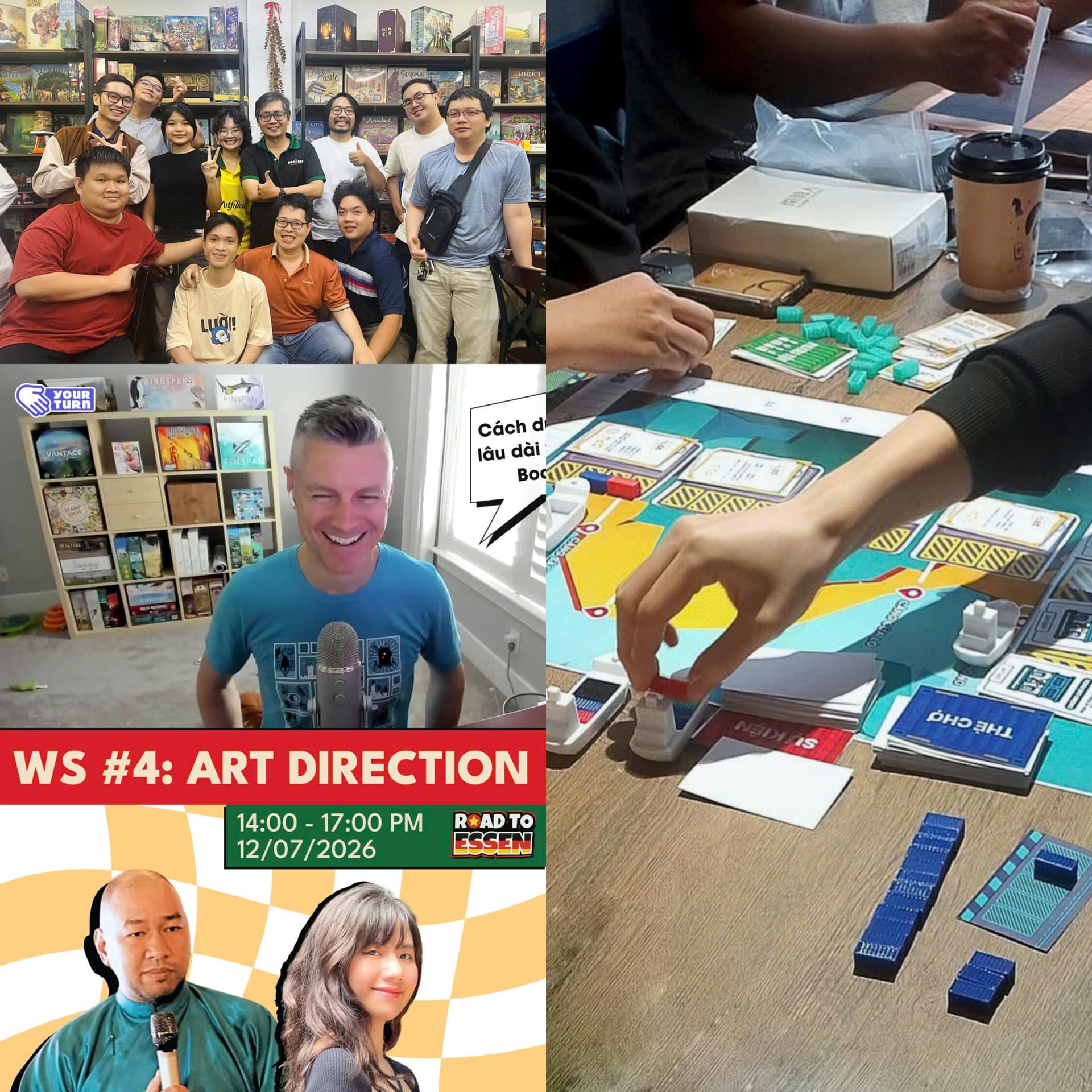
Your Turn Season 2 explores one theme across every episode: commercializing board games, what it actually takes to turn a game into a sustainable business. This season also features Jamey Stegmaier (Stonemaier Games, Wingspan, Scythe), Eric Olsen (designer of Flip 7), Maurice Lynch (formerly Asmodee Partners, now Cube Golem), and creators from Vietnam and around the world.
Your Turn is hosted by Ionah Hang Nguyen, game designer and CEO of Everjoy Global.
Watch now on Board Game VN official YouTube and Your Turn Spotify | Subscribe for new episodes